
What are the benefits of using a Dry Ridge Roofing System?
- by Dina Vaisman
- Dec 17, 2025
- Roofing Questions
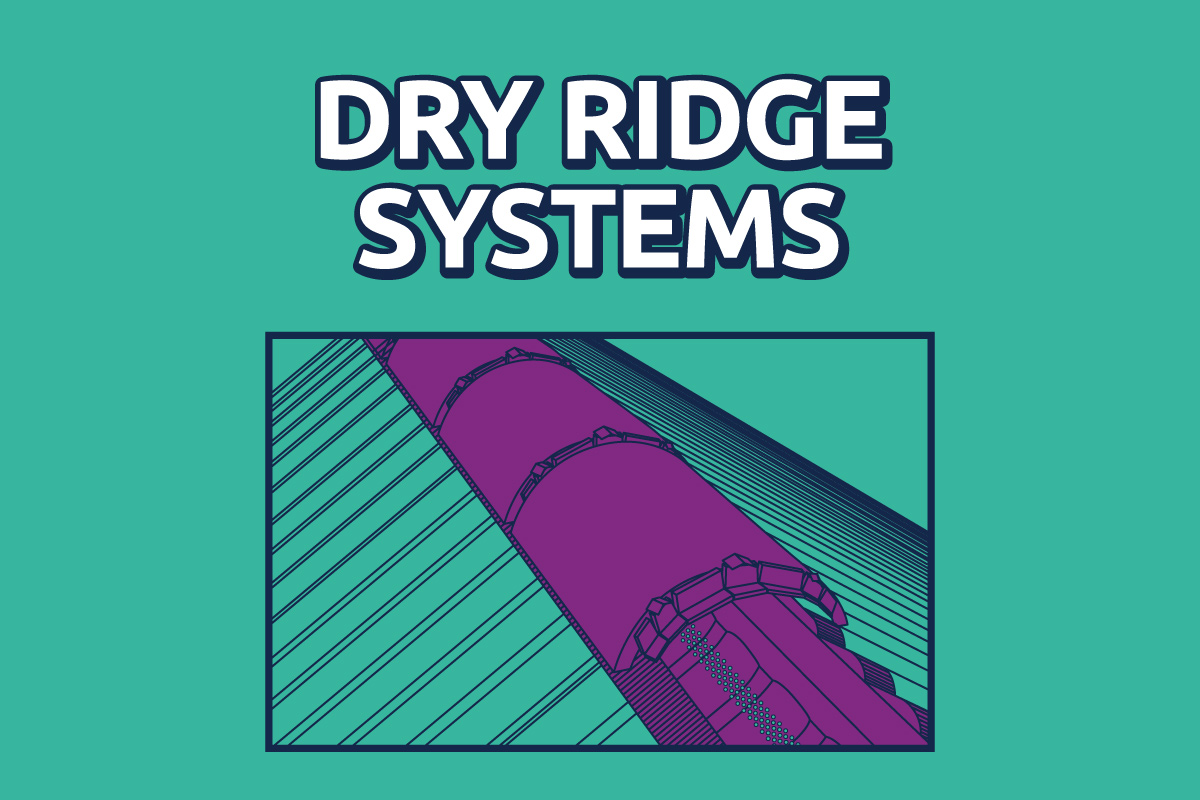
Dry ridge systems are a good option for pitched roofs, as they are effective at keeping water out.
In this article, we will discuss:
- What is a dry ridge system?
- Benefits of using a dry ridge system
- Where can I order a dry ridge system from?
What Is a Dry Ridge System?
A dry ridge system uses screws to secure ridge and hip tiles along the top of a roof. Because the tiles are fixed without mortar, the system is strong and durable.
These systems also provide a continuous airflow along the ridge. This helps prevent condensation. The system is also designed to stop rainwater from getting into the roof.
Dry ridge systems are not suitable for flat roofs.
What are the benefits of Using a Dry Ridge System?
- They usually last for at least a few decades
- They usually do not need attention once they have been installed, which saves time and money
- They provide effective protection from weather conditions; they resist wind uplift and prevent rainwater getting into the roof. The tiles can handle extreme weather conditions
- The installation is quick and easy. Specialist tools are not required, drying time is not needed, and they are simple to handle on site as they are lightweight
- They are cost-effective, as the materials are affordable
- They safe and reliable, as they meet BS 8612 and BS 5534 standards.
Where can I order a dry ridge system from?
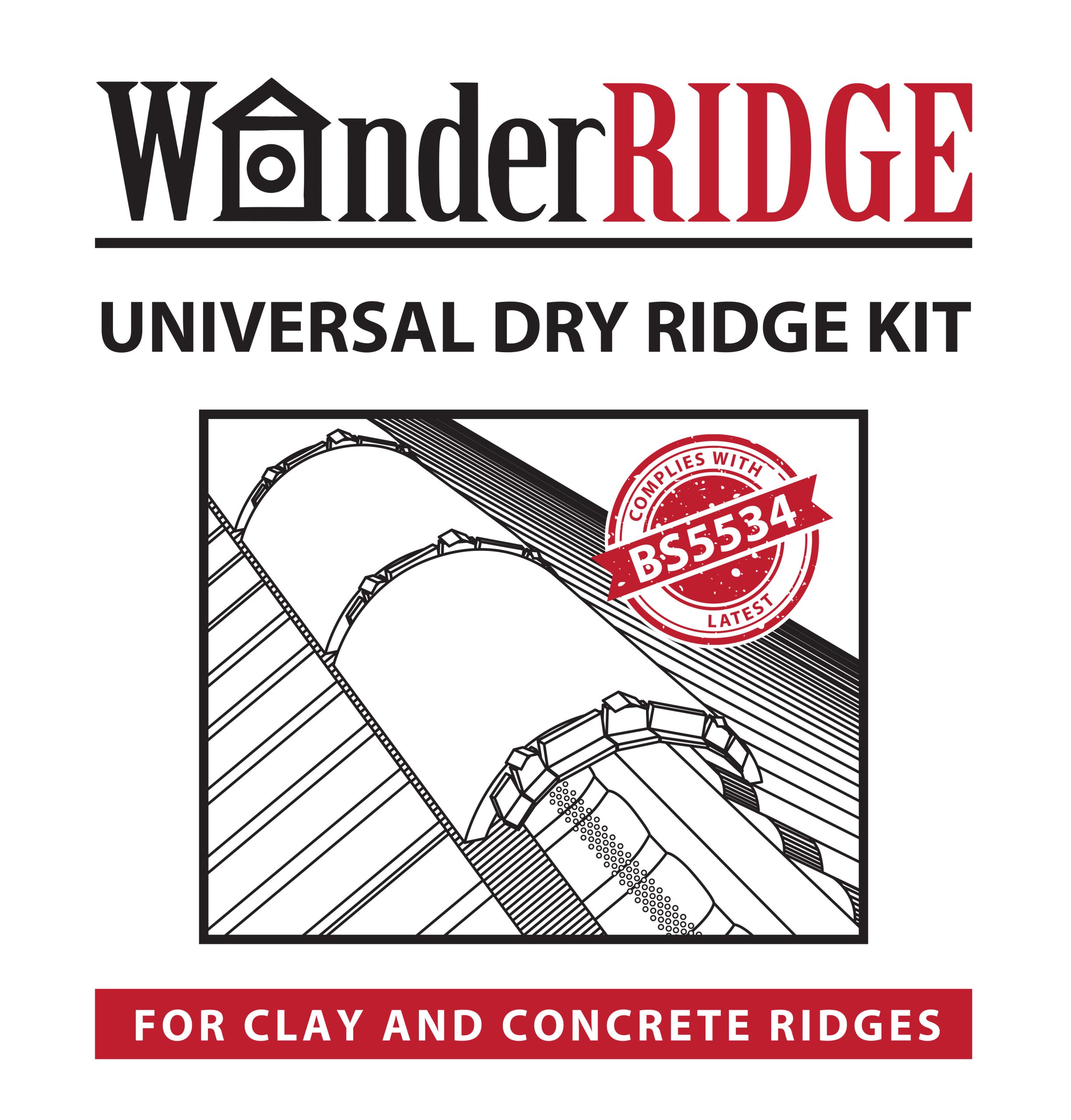
At Wonderbuilds, we offer two options of Dry Ridge Kits, a box with 13 ridge union seals, and a box with 20 ridge union seals. They can be used on pitched roofs. They are water resistant and highly durable. The airflow area is 5000 millimetres. Click on the links below to view further information:
Frequently asked questions
- Can dry ridge systems be used on flat roofs?
- Do dry ridge systems need frequent maintenance?
- Are dry ridge systems easy to install?
- Where can I order a dry ridge kit?
Quick summary
Dry ridge systems use secure mechanical fixings to hold ridge and hip tiles in place, making roofs safer and more reliable. They are quick to install, lightweight, and do not need special skills. These systems also allow constant airflow along the ridge to reduce condensation and help keep rain out. Overall, they are a durable, low-maintenance, and cost-effective choice for pitched roofs.Get in touch today
Let’s get started! Fill out the quick form below to let us know how we can help you with your current and future roofing and insulation needs.

